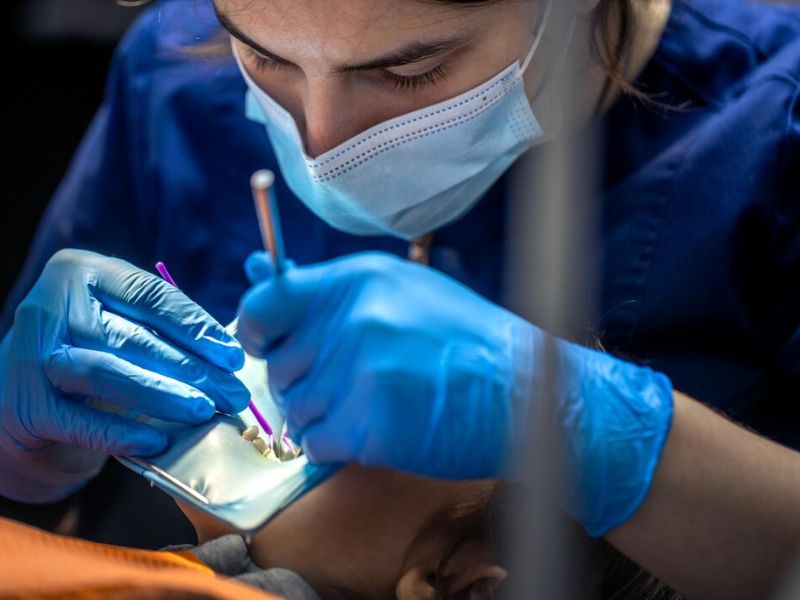
A dental bone graft helps rebuild or add bone in the jaw when there is not enough bone to support a dental implant or to maintain the shape of the jaw. Bone loss can happen after a tooth is removed, due to gum disease, an injury, or other dental problems. During a dental bone graft, a dentist places bone material in the area that needs support. Over time, the body uses this material as part of the process of building new bone. The exact steps depend on how much bone is missing and whether the graft is being done before, during, or after tooth removal. Knowing what happens before, during, and after treatment can help you prepare and understand what healing may involve.
When Is Dental Bone Grafting Needed?
Bone grafts in Sandy Springs may be recommended when the jaw does not have enough bone to support a planned dental implant or when bone needs to be rebuilt after tooth loss. The need for a graft depends on the condition of the jaw and the planned treatment.
Common reasons for bone grafting include:
- Tooth loss: The jawbone may shrink over time after a tooth is lost.
- Gum disease: Severe gum disease can damage the bone that supports teeth.
- Tooth removal: A graft may help preserve the bone in the socket left by the missing tooth.
- Implant planning: Extra bone may be needed to support an implant in the right position.
Not everyone who gets a dental implant needs a bone graft. An examination and dental images help determine whether one is needed.
What Happens Before the Procedure?
Before treatment, the dental team checks your mouth and reviews your dental and medical history. X-rays or a 3D scan may be used to assess the amount of bone available and plan where the graft should go.
The treatment plan may cover:
- The area where bone needs to be added.
- The type of graft material being used.
- Whether the graft will be performed alone or in conjunction with another dental treatment.
- The expected healing time and follow-up visits.
Tell the dental team about your medicines, health conditions, allergies, and tobacco use. These details can affect treatment planning and healing.
What Happens During Dental Bone Grafting?
The procedure varies depending on the size and location of the area being treated. In many cases, the steps include:
- Numbing the area: Local anaesthetic is used to reduce pain during treatment. Sedation may be discussed when appropriate.
- Preparing the site: A small opening is made in the gum to reach the area that needs added bone.
- Placing the graft material: Bone material is placed where support is needed. It may come from your own body, a donor source, an animal source, or a specially made material.
- Covering the graft: A protective layer may be applied when needed.
- Closing the gum: The gum is usually secured with stitches to protect the area while it heals.
A dentist in Sandy Springs can explain which steps apply to your treatment and what to expect during recovery.
How Does Bone Grafting Help With Dental Implants?
Bone grafting for dental implants can add support when the jawbone is too thin or too low for an implant to be placed safely in the planned position. The graft provides a base where new bone can grow as healing takes place.
An implant may sometimes be placed during the same visit as the graft. In other cases, the graft needs time to heal before implant placement. The timing depends on the amount of bone added, the quality of the existing bone, and the stability of the planned implant. Healing may take several months so that the full treatment can involve more than one visit.
What Should You Expect During Recovery?
Some swelling, bruising, mild bleeding, and soreness can occur after the procedure. These effects often improve over several days, although the bone itself takes longer to heal.
To support recovery:
- Follow the care instructions provided by the dental team.
- Choose soft foods for as long as advised.
- Avoid smoking or tobacco, which can slow healing.
- Keep the area clean as directed, without disturbing the graft.
- Attend follow-up appointments to check healing.
Contact a dentist near you if pain or swelling gets worse, bleeding does not stop, you develop a fever, or you notice other concerning changes.
Build a Strong Foundation for Future Dental Care!
A healthy jawbone can play an important role in supporting dental implants. Pinewood Dentistry and Implants in Sandy Springs can help you understand your bone health, learn about suitable treatment options, and prepare for the next stage of care. Schedule a consultation to find out whether bone grafting may help meet your dental needs.
FAQs
Is dental bone grafting painful?
The area is numbed during treatment, so you should feel little pain. You may have some pain and swelling afterward. These can usually be managed by following your dentist’s care instructions.
How long does a bone graft take to heal?
Initial healing may take a few weeks, but the graft may need several months to become strong enough for the next step. The timing depends on the graft and the area treated.
Does every dental implant need a bone graft?
No. Many implants can be placed without a graft if enough healthy jawbone is present. Dental images and an examination help determine what is needed.
Can a bone graft fail?
A graft does not always heal as expected. Infection, smoking, certain health conditions, or other factors may affect healing. Follow-up care helps identify problems early.
