
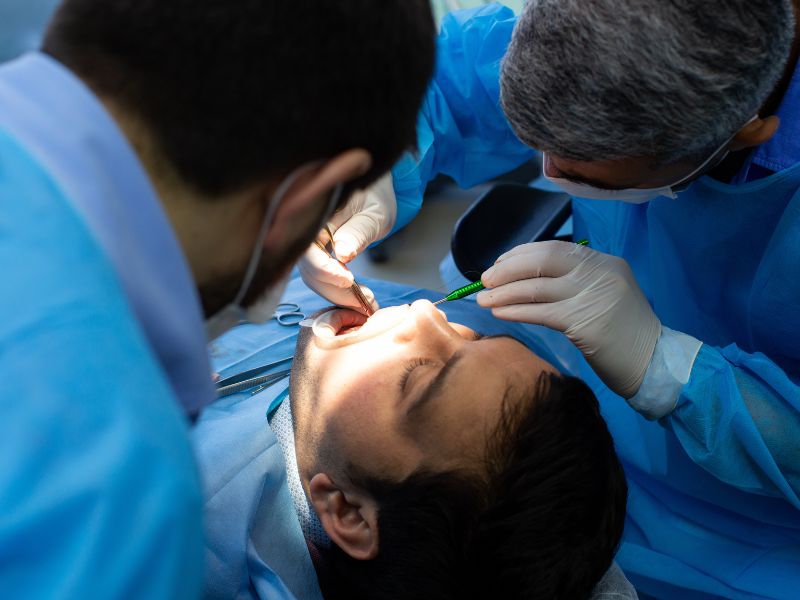
Oral surgery is used when a dental problem cannot be managed with routine dental care alone. It may be needed for damaged teeth, difficult tooth removal, jaw problems, or certain conditions involving the gums and supporting bone. Dental bone grafting safety and procedure explained is also important when bone support needs to be improved before certain dental treatments. The need for surgery depends on the condition, its location, and overall oral health.
Some oral surgery is planned, while other treatment may be needed because of an injury, infection, or severe tooth damage. A proper examination can help determine whether surgery is needed and what type of treatment may be appropriate.
When Is Oral Surgery Needed?
Oral surgery in Sandy Springs may be recommended when a dental problem requires treatment beyond a regular filling, cleaning, or other routine care.
Common reasons may include:
- Severely damaged or broken teeth.
- Difficult wisdom tooth removal
- Tooth loss requiring implant treatment
- Some jaw problems
- Certain infections
- Bone loss affecting dental treatment.
- Abnormal growths or oral tissue concerns
The recommended treatment depends on the specific problem and the condition of the surrounding tissues.
Do Impacted Wisdom Teeth Require Surgery?
Wisdom teeth may become impacted when there is not enough room for them to grow normally. They may remain partly or fully covered by gum or bone.
Surgery may be considered when an impacted wisdom tooth causes problems such as:
- Repeated pain or swelling
- Infection around the tooth
- Damage to nearby teeth
- Food becoming trapped around the area
- Tooth decay that is difficult to clean
Not every wisdom tooth needs to be removed. An examination and dental imaging can help determine whether removal is appropriate.
Can a Broken or Damaged Tooth Need Oral Surgery?
A badly broken tooth may sometimes require surgical removal if it cannot be removed with a simple extraction. This can happen when only a small part of the tooth remains visible or when the roots are difficult to access.
Oral surgery in Sandy Springs may involve carefully accessing the tooth and removing it in sections when necessary. The method depends on the tooth’s position, shape, and condition.
A damaged tooth should be assessed before assuming that extraction is the only option. In some cases, a tooth may still be repaired.
When Is Dental Bone Grafting Considered?
Dental bone grafting may be needed when there is not enough bone to support certain treatments, such as dental implants. Bone loss can happen after losing a tooth or because of other dental problems.
Is bone grafting safe for dental treatment? Bone grafting can often be done safely when it is planned carefully and performed by a qualified dental professional. Whether it is suitable for you depends on your health, the condition of the treatment area, and the type of bone graft being used.
The treatment plan should be based on an individual assessment rather than a standard approach.
Can Oral Surgery Be Needed for Dental Implants?
Dental implants may require oral surgery because the implant is placed into the jawbone. Before treatment, the amount and condition of available bone are usually assessed.
A dental office in Sandy Spring can evaluate factors such as:
- Available bone
- Gum health
- Condition of nearby teeth
- Jaw structure
- Overall oral health
If there is not enough bone for the planned implant, bone grafting may sometimes be recommended before or during implant treatment.
Can Jaw Problems Require Surgery?
Certain jaw conditions may need surgical treatment when they affect normal function, comfort, or the structure of the jaw. The treatment depends on the cause and severity of the problem.
An assessment may be needed for concerns such as:
- Significant jaw injury
- Certain jaw growths
- Severe structural problems
- Problems affecting how the jaws fit together
Not every jaw problem requires surgery. Imaging and a detailed examination help determine the appropriate approach.
What Happens Before Oral Surgery?
Before oral surgery, the treatment area is examined, and the planned procedure is explained. Dental imaging may be used to understand the tooth, jawbone, or surrounding structures.
The preparation may include:
- Reviewing dental and medical history
- Checking current medicines
- Taking dental X-rays or other images
- Explaining anaesthesia or sedation options
- Providing instructions for before and after treatment
A dentist near you can also explain what to expect during recovery and when normal activities can resume.
Get the Right Care for a Surgical Dental Problem!
Oral surgery can address several dental and jaw conditions when routine treatment is not enough. A careful examination can help identify the cause of the problem and determine whether surgery or another treatment may be suitable.
Book an appointment with Pinewood Dentistry and Implants to discuss your dental concerns, understand your treatment options, and receive personalised guidance for your oral health.
FAQs
Does every damaged tooth need oral surgery?
No. Some damaged teeth can be repaired with other dental treatments. Surgery may be considered when the damage makes routine treatment unsuitable.
Is bone grafting always needed before dental implants?
No. Some implant sites have enough suitable bone without grafting. A dental assessment and imaging can determine whether additional bone support may be needed.
Can oral surgery be used to remove an impacted tooth?
Yes. Surgical removal may be recommended when a tooth is impacted or difficult to access with a simple extraction.
How long does oral surgery recovery take?
Recovery time varies by procedure. Minor procedures may settle relatively quickly, while more involved surgery can require a longer healing period.