sedation dentist near me

MARPE Treatment in
Cumming and Sandy Springs, GA

Could a Narrow Upper Jaw Be Affecting More Than Your Smile?

If you are searching for MARPE treatment near you in Cumming, Sandy Springs, Atlanta, or the surrounding area, you may already feel that something is being missed. Maybe your teeth have been straightened before but continue to relapse. Maybe your smile feels narrow, your tongue never seems to have enough room, your bite feels uncomfortable, or you struggle with mouth breathing, snoring, clenching, grinding, TMJ symptoms, or waking up exhausted. These concerns are not always separate problems. For many patients, they may share the same underlying issue: an upper jaw that never developed wide enough.

MARPE can be life-changing for the right patient because it does more than move teeth—it addresses the skeletal foundation underneath them. By widening a narrow upper jaw, MARPE may create more room for the tongue, improve the relationship between the upper and lower teeth, broaden the smile, support more stable orthodontic results, and improve nasal airflow for some patients. Instead of repeatedly trying to fit the teeth into a jaw that is too narrow, we begin by asking whether the jaw itself needs more room.

At Pinewood Dentistry, Dr. Lincoln Fantaski evaluates adults and older teens who want to know whether MARPE adult palatal expansion could help them breathe, sleep, bite, and function better. You do not need a previous sleep-apnea diagnosis, a sleep study, or a referral to begin. Your first consultation is an opportunity to finally connect the dots between your symptoms, dental history, previous orthodontic treatment, bite, arch width, tongue space, breathing patterns, and long-term health.

When MARPE is appropriate, it is typically combined with Invisalign or comprehensive orthodontic treatment. Expansion creates the skeletal space; orthodontics then guides the teeth and bite into a healthier, more stable relationship. This can be especially important for patients who have already had braces or Invisalign but were never given enough room—or who were told that straightening the teeth alone would solve the problem.

MARPE may also be an important first step for patients considering more advanced jaw or airway surgery. Procedures such as MMA or BSSO primarily address the front-to-back relationship of the jaws. If a meaningful transverse deficiency is also present, the width of the upper jaw should be evaluated before the surgical plan is finalized. In selected cases, addressing the transverse discrepancy first can create a better foundation for the orthodontic and surgical care that follows.

MARPE is not right for everyone, and we will never promise that one appliance can solve every breathing, sleep, or bite concern. What we can promise is a careful evaluation, objective testing when appropriate, and a clear explanation of what is possible. For the right patient, creating the space their body has been missing can change far more than their smile.

What Is MARPE Treatment? Why is it different?

MARPE stands for Miniscrew-Assisted Rapid Palatal Expansion. It is designed to correct a transverse deficiency—a situation where the upper jaw is too narrow in relation to the lower jaw, the teeth, the tongue, or the rest of the facial structure.

Traditional orthodontics can move teeth, but it cannot always correct a jaw that is fundamentally too narrow. MARPE uses a customized expander supported by small temporary anchors in the palate, allowing expansion forces to be directed more toward the upper jaw instead of simply tipping the teeth outward.

That distinction matters. MARPE is not just about creating room for straighter teeth. For the right patient, widening the upper jaw may create more space for the tongue, improve the relationship between the upper and lower arches, broaden a narrow smile, reduce crowding, and create a healthier foundation for the bite.

Because the floor of the nose and the roof of the mouth are closely connected, expansion may also increase the dimensions of the nasal cavity and support improved nasal airflow for some patients. Breathing and sleep changes vary, which is why we use objective testing and careful follow-up rather than promising that one appliance will solve every concern.

MARPE is typically not a standalone treatment. Once the upper jaw has been expanded, Invisalign or comprehensive orthodontic treatment is usually needed to align the teeth, coordinate the bite, and create a stable final result.

What to Expect With Pinewood’s TAD-First Guided MARPE Protocol

MARPE treatment at Pinewood follows a carefully staged, TAD-first protocol. Instead of attaching the expander immediately and allowing the teeth to move unpredictably, we first establish stable skeletal anchorage utilizing mini-implants or TAD’s, then attach and activate the appliance, confirm the skeletal split, and coordinate expansion with clear aligners.

This guided sequence gives us greater control over the teeth, the bite, and the expansion itself. One of the biggest differences patients appreciate is that the large space between the front teeth commonly associated with MARPE does not develop with our protocol.

Step 1: Records and Digital Planning

Treatment begins with detailed photographs, digital scans, X-rays, and 3D imaging. These records allow Dr. Fantaski to evaluate the width of the upper jaw, the position of the teeth, available bone, tongue space, bite relationship, and the safest locations for the temporary anchorage devices. Sometimes, a sleep test is recommended prior to treatment as a part of the records process.

The MARPE appliance and surgical guide are then planned around your individual anatomy. This is not a one-size-fits-all expander. Every step is designed before treatment begins.

Step 2: Guided TAD Placement

Behind the scenes, Dr. Fantaski plans your surgery and fabricates a 3D printed surgical guide prior to the procedure.

A few weeks weeks after the records appointment, the TADs—small temporary anchorage devices—are placed during a carefully planned surgical visit. This visit typically takes an hour, is done utilizing local anesthetic, and most patients to not need to take time off of work. Patients usually are on NSAIDS such as Tylenol or Ibuprofen for 72 hours after the procedure.

The TADs provide stable support directly from the palate so the expansion forces can be directed toward the upper jaw rather than relying primarily on the teeth. Because their positions were planned digitally, they can be placed precisely based on your individual anatomy. After placement, the Pinewood team will take updated scans with scan bodies, to begin the fabrication of your custom MARPE appliance.

Step 3: Attaching and Activating the MARPE Appliance

About two weeks after the TADs are placed, you will return to have the custom MARPE appliance attached to them. The appliance is checked carefully and turned for the first time to activate it. Our team will show you exactly how to complete the prescribed turns at home.

Most patients begin by turning the appliance once per day. Each turn gradually applies pressure across the upper jaw as we work toward skeletal expansion, or ‘the split’. For most patients, this happens within the first 2 weeks. Sometimes, if the bone is very dense, before the appliance is placed Dr. Fantaski will need to get you numb and help open up the suture on the upper jaw.

Step 4: Reaching the Skeletal Split

The initial goal is to reach the “split.” This means the midpalatal suture—the natural connection between the right and left sides of the upper jaw—has opened and true skeletal expansion has begun.

The split refers to the jaw itself opening at the suture. It does not mean that a large visible gap must form between the front teeth, however the easiest way for patients to know they have split, is to notice a tiny space between their front teeth that no longer pops floss. Patients who fail to split in the 2 weeks will come back in to talk to Dr. Fantaski, and may need to visit the oral surgeon for a procedure called DOME which helps open the sutures surgically so the appliance can do its job.

Unlike many traditional MARPE protocols, Pinewood’s TAD-first guided approach is designed to keep the teeth controlled throughout expansion. The dramatic front-tooth gap commonly seen in other MARPE cases does not develop with our protocol.

Step 5: New Scans and a Planned Pause

Once the skeletal split has been achieved, you will return for new digital scans and records. These allow us to confirm the change, evaluate how the upper jaw and bite are responding, and begin planning the orthodontic phase around the new width that has been created.

There is then a planned pause in active turning while your clear aligners are designed and manufactured, which is typically two weeks.

Step 6: Clear Aligners and Maintenance Turns

When your aligners are ready, you will return for delivery and instructions. The aligners guide the teeth into their new positions while the MARPE appliance maintains the skeletal expansion.

At this stage, patients commonly continue turning the appliance approximately once per week as they swap their Invisalign trays. These slower maintenance turns help preserve the expansion while the aligners control the teeth, coordinate the bite, and keep the front teeth together.

This is one of the defining advantages of our protocol: expansion and orthodontic movement are coordinated from the beginning, allowing us to create skeletal width without asking the patient to live with the large front-tooth gap traditionally associated with MARPE.

This phase of care is typically three months, during which time the appliance does its job in opening up the maxilla. Most patients feel the difference in how they breathe within the first 6 weeks.

After the activation protocol is over, you will come back in to see Dr. Fantaski. The appliance will stay in your mouth for an additional three to four months, during which time you will continue to progress in your Invisalign trays.

After the three to four month period, an X-Ray will be taken to verify that the bone has formed between the two sides of the upper jaw. The TAD’s and MARPE appliance will be removed, and you will be scanned for additional Invisalign aligners to finish out the orthodontic stage of treatment.

Most patients are in treatment for 18 months total, and the MARPE appliance is in for six to nine months.

Why MARPE Can Be Life-Changing
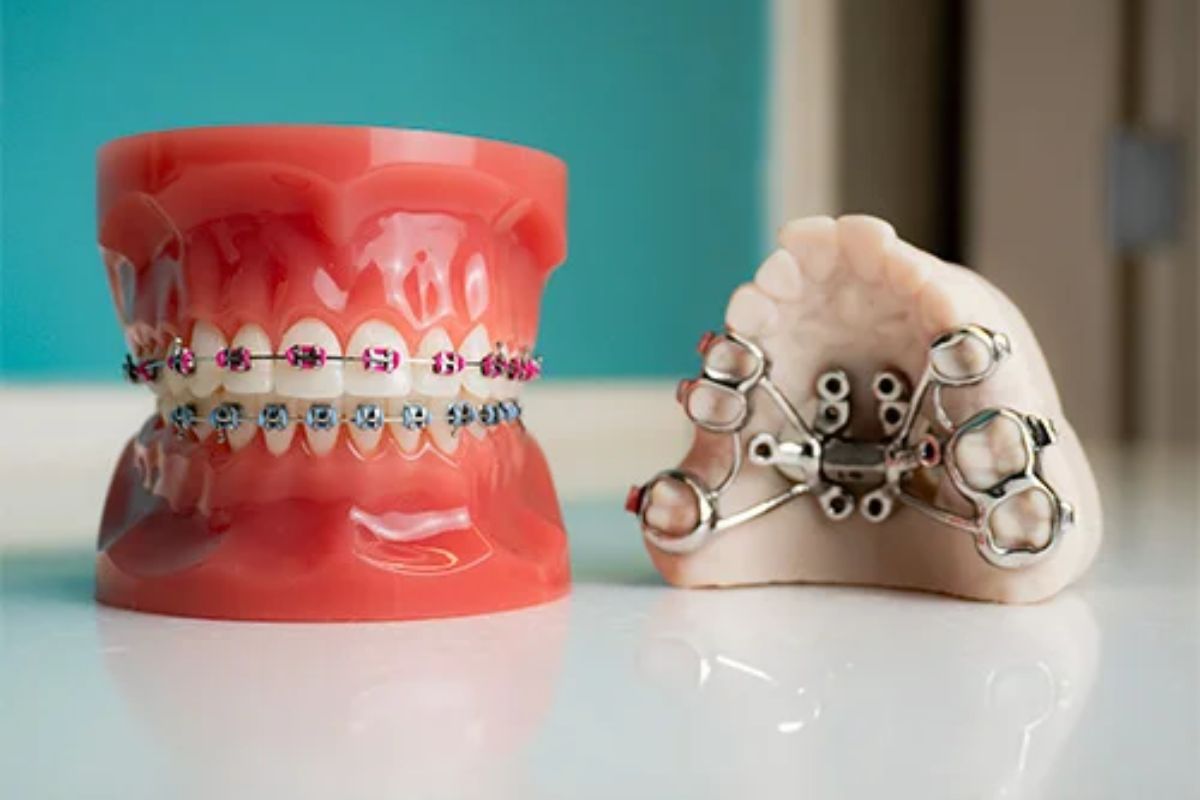
Most patients do not begin searching for MARPE treatment because they simply want a wider upper jaw. They are looking for answers because their teeth keep shifting, their tongue feels crowded, their bite feels uncomfortable, their smile looks narrow, or they continue to struggle with mouth breathing, snoring, clenching, grinding, TMJ symptoms, or unrestful sleep. More than 60% of adult patients have an under-sized upper jaw or maxilla. MARPE is the solution to expansion for adults, and corrects this size discrepancy.

For the right patient, MARPE changes the foundation rather than repeatedly trying to work around a jaw that never developed wide enough. Creating true skeletal width can provide more room for the tongue, broaden the smile, improve the relationship between the upper and lower arches, and create the space needed for healthier, more stable orthodontic treatment.

MARPE may also help reduce crowding without removing healthy teeth or simply tipping them outward. This reduces the risk of recession, sensitivity, and eventual tooth loss from continual grinding. For some patients, a procedure called PAOO or SFOT must be used to augment the hard and soft tissue on the upper and or lower jaw as a part of this expansion process. When combined with clear aligners, expansion allows us to guide the teeth into the new space while building a bite that is more balanced, functional, and easier to maintain.

Because the roof of the mouth is also the floor of the nasal cavity, widening the upper jaw may increase nasal dimensions and support better nasal airflow for many patients. Breathing and sleep outcomes vary, but many patients pursue MARPE because they want to understand whether creating more space could improve far more than the appearance of their smile.

For adults considering advanced jaw or airway surgery, evaluating the width of the upper jaw is also important. If a transverse deficiency is present, MARPE may be the first step toward creating a stronger foundation before the front-to-back relationship of the jaws is addressed.

Many patients who suffer from bruxism, grinding of the teeth, clenching, and sleep & airway issues suffer due to their tongue – or tongue space rather. Lack of space for the tongue in the mouth causes the tongue to constrict the airway – especially at night when we go to sleep and muscles relax. By expanding the upper jaw, we allow the tongue to rest on the roof of the mouth, which keeps it out of the airway. In addition to that, the muscles that make up the pharyngeal airway are attached to the pterygoid plates of the sphenoid bone – which is the back of the maxilla. By expanding the maxilla, we are physically creating more space in the airway in the back of the throat.

So MARPE tackles the airway in three major ways: the nasal volume (and outer nasal valve), the pharyngeal airway size, and the tongue space in the mouth. When you combine all of those benefits, you can imagine why many patients feel significantly different after MARPE. Due to the multifactorial nature of the changes, it is difficult to simulate with oral appliances or other treatment options. The best way to see what it may be like to have MARPE done, is to ask someone who has had MARPE done! (Hint, you should ask Dr. Fantaski)

A More Controlled MARPE Protocol at Pinewood

MARPE treatment at Pinewood Dentistry is led by Dr. Lincoln Fantaski and his team, and follows a digitally planned, TAD-first guided protocol designed to give us greater control over the expansion, the teeth, and the final bite.

We begin with detailed photographs, digital scans, X-rays, and 3D imaging. These records allow us to evaluate the width of the upper jaw, available bone, tongue space, bite relationship, and the safest locations for the temporary anchorage devices. The surgical guide and appliance are then designed around the patient’s individual anatomy.

The TADs are placed first during a planned surgical visit. After they have stabilized, the customized MARPE appliance is attached and activated. The patient then completes gradual daily turns until the skeletal split occurs—meaning the natural connection between the two sides of the upper jaw has opened and true skeletal expansion has begun.

Once the split is confirmed, we take new digital scans and pause active expansion while the clear aligners are designed. When the aligners are delivered, they are worn while slower maintenance turns continue, usually about once per week. This allows us to preserve the skeletal expansion while guiding the teeth and bite into their new positions.

One of the biggest advantages of Pinewood’s protocol is that the large gap between the front teeth commonly associated with traditional MARPE treatment does not develop. Expansion and orthodontic movement are coordinated so the front teeth remain controlled while the jaw is widened.

Our goal is not simply to place an expander. It is to create more room, improve the foundation, and carefully guide the smile, bite, tongue space, and long-term function through every stage of treatment.

Create the Space Your Body Has Been Missing

If you have already tried braces or Invisalign but your teeth continue to relapse or you are getting recession, your tongue still feels crowded, your bite does not feel right, or breathing and sleep concerns remain unexplained, it may be time to look beyond the teeth and evaluate the width of the upper jaw.

Pinewood Dentistry and Implants offers MARPE consultations for adults and older teens from Cumming, Sandy Springs, Atlanta, and surrounding communities. No previous sleep diagnosis, sleep study, or referral is required to begin.

Your consultation is designed to help you understand what we see, how your symptoms may be connected, and whether MARPE should be part of your path forward. For the right patient, correcting the foundation can change far more than the smile—it can change the way the teeth fit, the tongue functions, the bite feels, and the entire system works together.

Schedule your complimentary Adult Airway & MARPE Consultation and find out what more space could make possible.

    Have Questions About MARPE Treatment?
    Start Here.

    MARPE treatment at Pinewood happens in carefully planned stages. After your records are completed, the guided TAD-placement visit is usually scheduled about two weeks later. Approximately two weeks after that, the custom MARPE appliance is attached to the TADs and activated.

    Most patients then turn the appliance once per day until the skeletal split is achieved. You will return for new scans, take a planned break from active turning, and then begin clear aligner treatment. Once the aligners are delivered, expansion usually continues more gradually—often about once per week—while the teeth and bite are guided into their new positions.

    The exact timeline varies based on your anatomy, response to expansion, and orthodontic goal, but most patients should expect around 18 months of treatment.

    The “split” means the midpalatal suture—the natural connection between the right and left sides of the upper jaw—has opened and true skeletal expansion has begun.

    This is different from simply tipping the teeth outward. It confirms that the upper jaw itself is widening. With Pinewood’s TAD-first guided protocol, the split does not require the dramatic front-tooth gap commonly associated with traditional MARPE treatment.

    No. Pinewood uses a TAD-first guided MARPE protocol that coordinates expansion with clear aligner treatment so the front teeth remain controlled.

    The large space between the upper front teeth commonly shown in traditional MARPE cases does not develop with our protocol. After the skeletal split is confirmed, new scans are taken and aligners are designed to guide the teeth while expansion continues more gradually.

    The TADs are placed during a planned, digitally guided surgical visit. TADs are small temporary anchorage devices placed in the palate to support the MARPE appliance directly from the upper jaw.

    This is not jaw surgery, but is mild oral surgery similar to having a dental implant placed (because it is placing mini-dental implants!). The positions are planned from your 3D records and transferred through a custom guide so the TADs can be placed precisely based on your anatomy. The procedure typically takes about an hour, and is done under local anesthetic. Nitrous oxide can be used if you are nervous!

    Most patients describe pressure or tightness across the palate, teeth, cheeks, or nose after an activation. This usually settles as the body adjusts.

    You will receive clear instructions for turning and caring for the appliance, and we will monitor your progress throughout the active expansion phase.

    MARPE creates skeletal width, but the teeth and bite still need to be guided into the new space. Clear aligners allow us to coordinate tooth movement with expansion rather than waiting until the expansion is completely finished.

    After the skeletal split is confirmed, new scans are taken and your aligners are designed. Once they are delivered, the aligners help control the teeth and keep the front teeth together while slower maintenance turns continue—usually about once per week.

    The roof of the mouth is also the floor of the nasal cavity. Widening the upper jaw may increase nasal dimensions and support improved nasal airflow for some patients.

    Many patients also notice changes in mouth breathing, snoring, sleep quality, or daytime energy. Results vary, and MARPE is not presented as a guaranteed cure for sleep apnea or every airway concern. Sleep testing and other objective records may be recommended when appropriate.

    MARPE is a medical procedure with a dental benefit of upper arch expansion.

    To truly appreciate all of the benefits of MARPE, patients must undergo myofunctional therapy to teach their tongue how to utilize the space in they mouth and airway. For myofunctional therapy, Pinewood refers to Janey Hoag.

    MARPE is most commonly considered for adults and older teens who need true skeletal expansion after conventional childhood expansion may be less predictable.

    Younger children often have other expansion options available while their jaws are still developing. Pinewood also offers pediatric airway and growth evaluations for children ages 3–14. For teens and young adults, after the age of 13-14 when the suture has joined, MARPE is needed for skeletal expansion.