

Obstructive Sleep Apnea (OSA) in
Sandy Springs & Cumming, GA
When Snoring Is Only Part of the Story
What Is Obstructive Sleep Apnea?
Why Does the Airway Collapse During Sleep?
What Are the Signs of Obstructive Sleep Apnea?

Why Treating OSA Matters Beyond Snoring
How Is Obstructive Sleep Apnea Diagnosed?
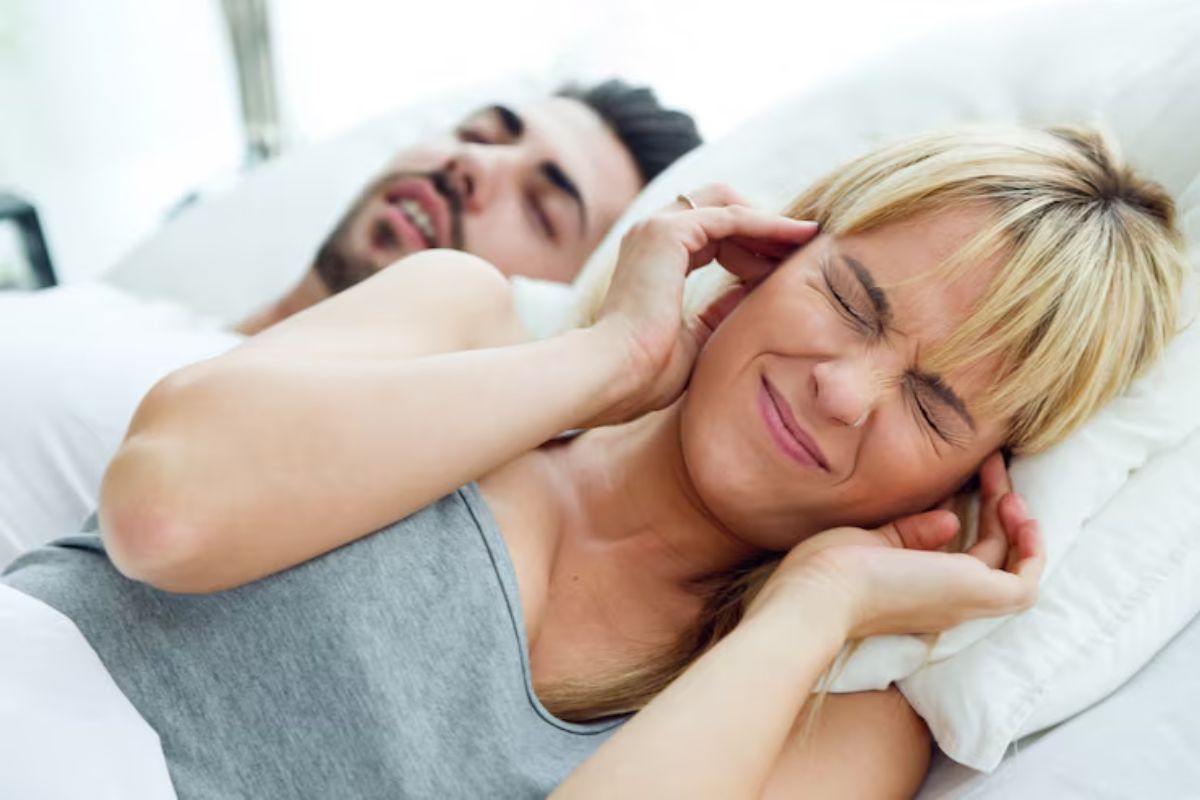
We ask what is happening at night and during the day. Bed-partner observations can be especially valuable because breathing pauses often occur without the patient realizing it.
We also review medical history, medications, previous sleep studies, CPAP experience, oral appliances, ENT treatment, orthodontic treatment, jaw surgery, and changes in weight or health that may affect sleep.
A dental airway examination may include the teeth, bite, palate, tongue space, jaw position, tooth wear, gum recession, TMJ or muscle symptoms, and signs of clenching or grinding.
These findings help us understand whether dental or skeletal anatomy may be relevant. They cannot tell us how many obstructive events occur during sleep.
Depending on the treatment being considered, photographs, digital scans, X-rays, or 3D imaging may add useful information.
Digital scans are particularly helpful when planning a custom oral appliance. Three-dimensional imaging may be relevant when a patient is also being evaluated for skeletal expansion, MARPE, or another jaw-related treatment.
Imaging does not replace a sleep study. It shows anatomy; sleep testing measures what happens physiologically during sleep.
Many adults can be evaluated with a physician-directed home sleep apnea test when their history and health make that type of testing appropriate. Others need an in-lab polysomnogram, which records more physiologic information and can help identify OSA as well as other sleep disorders.
Sleep testing may report an apnea-hypopnea index, or AHI, or a respiratory event index, depending on the test. These values help describe how often breathing events occur, but the number is only one part of treatment planning. Oxygen levels, symptoms, medical conditions, sleep stage, body position, and the overall clinical picture also matter.
Once OSA has been diagnosed and the severity and contributing factors are better understood, the treatment discussion becomes much more useful.
Some patients need CPAP. Some are candidates for oral appliance therapy. Some need ENT or medical treatment, weight-related care, positional strategies, orthodontic or skeletal treatment, jaw surgery, or a combination of approaches.
The diagnosis should drive the treatment—not the appliance someone happens to offer.
What Treatments Are Available for OSA?
How Does Oral Appliance Therapy Work?
Pinewood’s Oral Appliance Process: From Diagnosis to Long-Term Follow-Up
If you arrive with a recent sleep study and diagnosis, we review that information as part of treatment planning.
If you have symptoms but have never been tested, Pinewood can begin with an airway consultation and help determine what type of medical sleep evaluation should come next.
This step matters because an appliance for primary snoring and an appliance used to manage diagnosed OSA may look similar, but the medical purpose and follow-up are not the same.
We evaluate the teeth, gums, restorations, bite, jaw movement, TMJ and muscle health, and how comfortably the lower jaw can move forward.
A patient with uncontrolled dental disease, unstable teeth, significant periodontal problems, or certain jaw-joint concerns may need those issues addressed before an appliance is appropriate.
We also consider whether the patient’s anatomy suggests that another treatment deserves attention. A significantly narrow upper jaw, for example, may lead to a broader discussion rather than assuming mandibular advancement alone addresses the entire structural problem.
Digital scans capture the shape and position of the teeth without relying on a generic one-size-fits-all device.
The appliance is designed around the patient’s bite and treatment goals. For OSA, a custom, titratable appliance allows the lower-jaw position to be adjusted progressively.
At delivery, we verify fit, retention, comfort, and how the upper and lower components relate.
We show you how to insert and remove the device, clean it, store it, and use any morning bite-positioning instructions that are appropriate.
The initial jaw position is usually only a starting point. More advancement is not automatically better.
Over subsequent visits, the appliance can be advanced gradually based on symptoms, comfort, jaw response, and the treatment plan.
Some patients notice reduced snoring or improved sleep early; others need further adjustment. Symptoms alone cannot prove that OSA is adequately controlled.
Once the appliance has been calibrated, follow-up sleep testing may be recommended with the device in place.
This is a critical step. A patient can feel better while still having residual obstructive events. Objective testing helps determine whether treatment has achieved an acceptable physiologic response or whether further adjustment or another therapy should be considered.
Oral appliance therapy can cause side effects. Early effects may include tooth tenderness, jaw or muscle soreness, increased salivation, dry mouth, or a temporary feeling that the bite is different in the morning.
Long-term use can also lead to tooth movement or changes in the bite in some patients.
Periodic visits allow us to check the appliance, teeth, gums, bite, jaw joints, comfort, and treatment adherence. OSA itself can also change with weight, age, health conditions, and anatomy, so long-term follow-up with the appropriate medical provider remains important.
Who Is a Good Candidate for an Oral Appliance?
CPAP or an Oral Appliance: Which One Should You Choose?
Where Do MARPE, Orthodontics, and Jaw Treatment Fit?
What Makes Pinewood’s Approach to OSA Different?
Start With the Diagnosis, Then Build the Treatment Around You
Have Questions About Obstructive Sleep Apnea?
Start Here.
We can screen for OSA risk, review symptoms, identify dental and craniofacial findings that may be relevant, and help coordinate the next step. A dental examination alone cannot diagnose OSA or determine its severity. Objective sleep testing and appropriate medical interpretation are needed when OSA is suspected.
CPAP generally reduces obstructive breathing events and oxygen abnormalities more consistently. A custom oral appliance can still be an effective alternative for appropriately selected adults, particularly when CPAP is not tolerated or the patient prefers another treatment. Follow-up sleep testing helps determine whether the appliance is controlling the disorder adequately.
Some patients develop gradual tooth movement or bite changes with long-term oral appliance use. Others experience little noticeable change. This is one reason periodic dental follow-up matters. We monitor the teeth, bite, appliance fit, jaw joints, and symptoms over time and address changes when they appear.
You can begin an airway consultation without a previous sleep study. If OSA is suspected, however, objective sleep testing is important before treating the condition as diagnosed sleep apnea. The results help establish what is happening during sleep and influence which treatment is medically appropriate.
Not automatically. MARPE addresses a true transverse deficiency of the upper jaw. It may change oral and nasal dimensions and can be an important structural treatment for selected patients, but OSA is multifactorial. A narrow maxilla can be one contributor without being the only cause. Objective follow-up remains important if a patient with diagnosed OSA undergoes expansion.
That is exactly why follow-up testing matters. A quieter night does not necessarily mean that obstructive events have been fully controlled. If testing shows residual OSA, the appliance may need further calibration, or another treatment such as CPAP, combination therapy, ENT care, weight-related treatment, or a different airway strategy may need to be considered.