Dental implants are very safe and successful. But like any medical procedure, infections can happen. An infection around a dental implant is possible if you do not care for it properly or if bacteria get into the area. The good news is that infections are rare when you follow your dentist’s instructions. Knowing the signs of dental implant infection helps you catch problems early. If you notice any warning signs, contact your dentist right away. Early treatment stops the problem before it becomes serious.
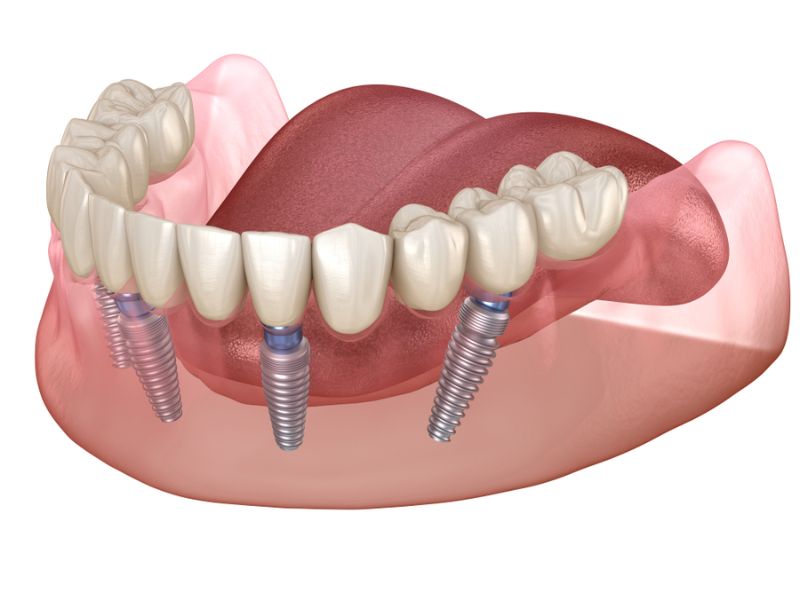
A dental implant is a metal post that sits in your jawbone. It acts like an artificial tooth root. On top of the implant, your dentist places a crown that looks like a real tooth. When everything works right, you have a tooth that looks and feels natural. But infections can develop if bacteria get under the gum around the implant.
Understanding Dental Implant Complications
Dental implant complications are not common, but they can happen. The most serious complication is infection. Infection occurs when bacteria grow around the implant or in the bone underneath. This can happen right after surgery or months or even years later. Several things can cause an implant infection. Poor oral hygiene is one cause. If you do not brush and floss around your implant, bacteria build up. Smoking is another cause. Smoking slows healing and makes infections more likely. Certain health conditions like diabetes can also increase your risk.
If you are thinking about dental implants in Cumming, your dentist will talk to you about these risks. They will explain how to care for your implant to prevent infection. They want you to have the best outcome possible. Most people do great with implants when they follow care instructions.
Signs of Dental Implant Infection to Watch For
Pain That Does Not Go Away
Some pain right after surgery is normal. This pain should get better each day. But if pain stays the same or gets worse after several days, something might be wrong. Sharp pain around the implant site is a red flag. Call your dentist if this happens.
Swelling and Redness
Once surgery is performed, a little swelling is fine. But swelling that gets worse or does not go away after a few days means trouble. Within a week or two, the area surrounding your implant should appear normal. If it remains red or swollen, there could be an infection.
Discharge or Pus
It’s a definite sign of infection. Contact your dentist straight away if you see pus coming from your implant. Do not delay! Don’t attempt to manage this by yourself. You need professional help right away.
Fever
A fever after implant surgery means your body is fighting an infection. Your body temperature should be normal after a few days. If you have a fever that lasts more than a day or two, contact your dentist or doctor right away.
Loose Implant
Your implant should feel solid and stable. If it feels like it is moving or wiggling, this is serious. A loose implant means something has gone wrong. You need professional care immediately.
Bad Taste or Smell
A bad taste or smell around your implant can mean infection is present. These odours come from bacteria growing in the area. Do not ignore this sign.
Difficulty Opening Your Mouth
If you cannot open your mouth wide without pain, infection might be spreading. This needs professional attention right away.
Prevention Is Your Best Defence
The best way to handle implant infections is to prevent them. Keep your implant clean just like a real tooth. Brush gently around the implant twice a day. Floss around it every day. Use a special implant brush if your dentist recommends one. Avoid smoking because it slows healing. Do not chew hard foods for the first few weeks after surgery. Go to all your follow-up appointments with your dentist in Cumming. These visits let your dentist check that everything is healing properly.
Take any antibiotics your dentist prescribes, even if you feel fine. Finish the whole course of medicine. Do not stop early. Keep your mouth clean and avoid touching the surgical area with your fingers or tongue.
Protect Your Investment in Your Smile
Pinewood Dentistry and Implants Cumming is your trusted companion for your dental health journey. Contact us today to learn more. With years of experience in implants, our team knows how to keep you safe. We respond to your queries truthfully. We develop treatment plans that suit your lifestyle. We help you before, during, and after your procedure. Your smile deserves the best care. We’ll get you there.
Questions People Ask About Implant Infections
How likely is it to get an implant infection?
Infections happen in less than 5 percent of implant cases. Most people do great when they follow care instructions and maintain good oral hygiene.
Are antibiotics able to cure an implant infection?
Antibiotics can help sometimes. However, serious infections might require more treatment or even implant removal. This is why early professional care is so important.
What happens if my implant gets infected?
Your dentist will examine you and determine the best treatment. This might include antibiotics, professional cleaning, or other care. The goal is to save your implant if possible.
How long after surgery can infection happen?
Infection can happen right after surgery or years later. Stay alert for warning signs anytime, not just in the first few weeks after your procedure.
