

Airway Orthodontics in
Sandy Springs & Cumming GA
Could Your Teeth Be Straight While the Foundation Is Still Too Small?
What Is Airway Orthodontics?
The maxilla, or upper jaw, forms the foundation for the upper teeth, but it also contributes to the roof of the mouth and the floor of the nasal cavity.
When the upper jaw is relatively narrow, the dental arch may also be narrow. The teeth may crowd or develop in a crossbite, and the tongue may have less room within the upper arch.
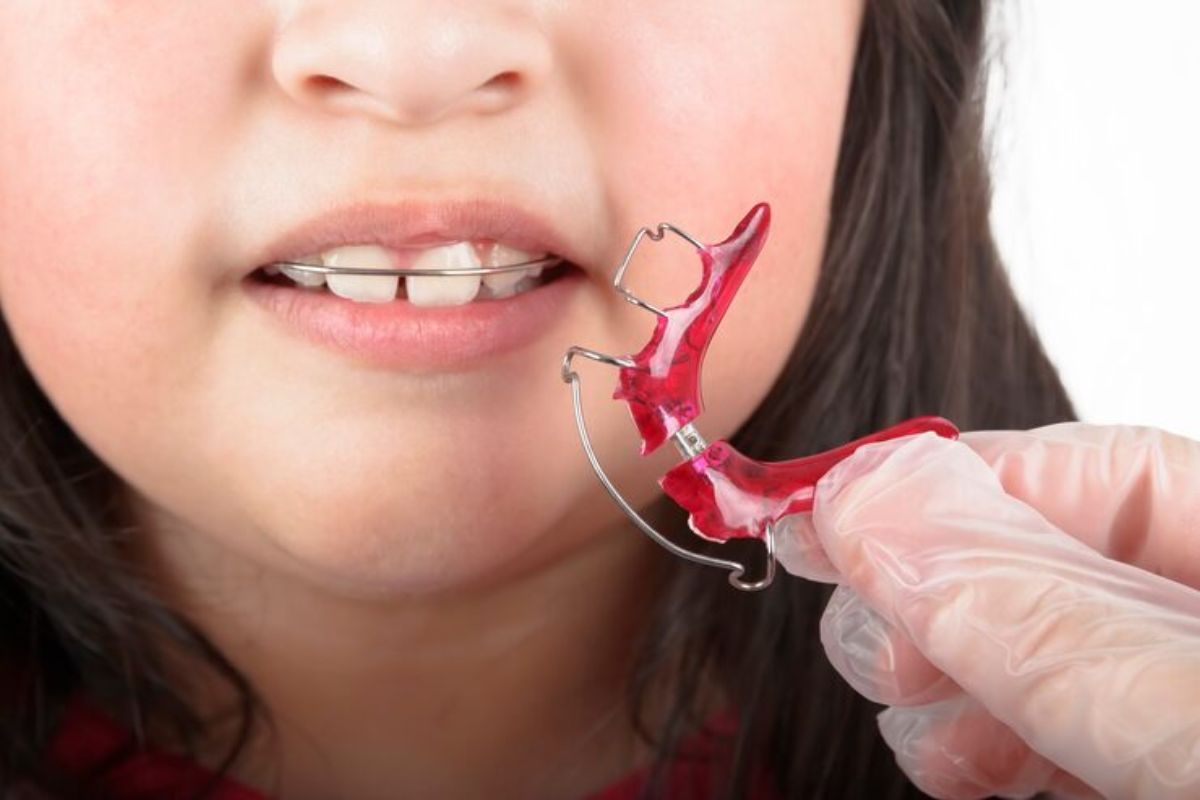
Expansion of a genuinely narrow upper jaw can increase transverse width. In selected patients, expansion also changes dimensions around the nasal floor and may support improved nasal airflow.
That does not mean every person who mouth-breathes needs an expander, or that expansion guarantees resolution of a sleep disorder. Structural narrowing is one possible factor among many, which is why treatment should begin with diagnosis rather than an appliance.
The tongue is a large muscular structure, and it needs adequate room within the mouth.
When the upper arch is very narrow or oral volume is limited, some patients describe feeling that their tongue does not fit comfortably. The tongue may adapt by resting lower or farther forward, and mouth breathing can influence oral posture as well.
Tongue position matters because the tongue, palate, teeth, jaws, swallowing pattern, and surrounding muscles work together. This is one reason myofunctional therapy may be part of care for selected patients.
Creating space is only part of the equation. The muscles also need to learn how to use that space appropriately.
Not every structural concern is about upper-jaw width.
The front-to-back relationship between the upper and lower jaws can also affect the bite, facial balance, and the space available for the tongue. In growing children, some jaw relationships may be considered as part of growth-oriented orthodontic planning. In adults, more significant skeletal discrepancies may require a different discussion because mature jaw relationships cannot always be corrected with tooth movement alone.
Some adults need clear aligners. Others may benefit from expansion. A smaller group may need surgical evaluation. The correct treatment depends on the anatomy, not on forcing every patient into the same orthodontic plan.
What Can the Teeth and Bite Tell Us?
When Should You Consider an Airway-Focused Orthodontic Evaluation?
Why Timing Matters in Children
Airway Orthodontics Is Different in Adults
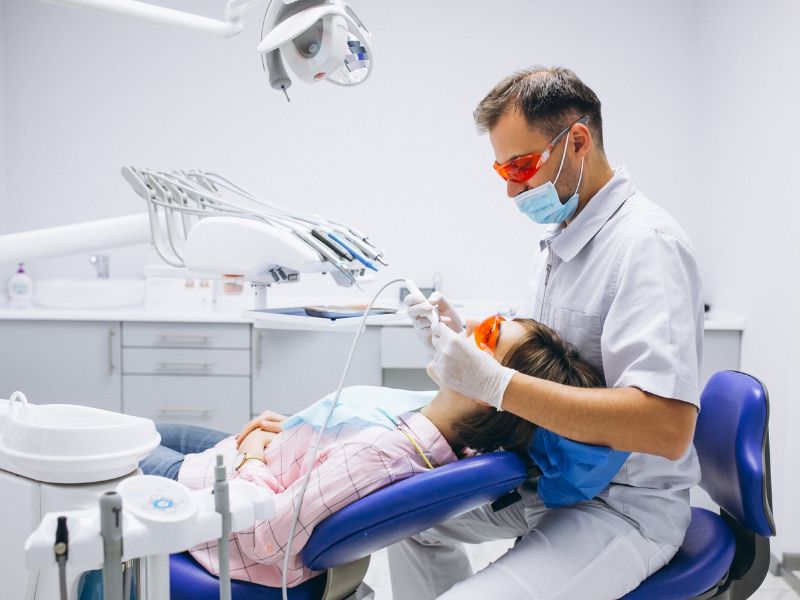
What Happens During an Airway-Orthodontic Evaluation at Pinewood?
We start with what brought you in.
For an adult, that may include orthodontic relapse, crowding, snoring, grinding, tongue-space concerns, jaw discomfort, poor sleep, or questions after a previous sleep diagnosis.
For a child, parents may be concerned about mouth breathing, snoring, restless sleep, crowding, bite development, habits, or facial growth.
We also review dental and orthodontic history. Previous braces, clear aligners, retainers, extractions, jaw surgery, ENT treatment, sleep studies, and oral appliances can all provide useful context.
We look beyond whether the teeth appear straight.
Evaluation may include crowding and spacing, crossbites, overbite and overjet, upper- and lower-arch width, how the teeth fit together, tooth wear, gum recession, signs of clenching or grinding, and evidence of previous orthodontic relapse.
We also evaluate the palate, tongue space, and jaw relationships because two patients with similarly crowded teeth may have very different underlying problems.
When appropriate, Pinewood uses detailed photographs, digital scans, X-rays, and 3D imaging.
These records help us evaluate arch form, jaw relationships, available bone, palatal dimensions, tooth roots, and the limits of orthodontic movement. For MARPE and other advanced expansion cases, 3D records also guide appliance design and temporary anchorage placement.
Not every patient needs a sleep study.
However, symptoms such as loud snoring, witnessed pauses in breathing, unrefreshing sleep, daytime fatigue, or other signs of sleep-disordered breathing may justify additional medical evaluation.
When objective information would help, Pinewood may recommend a physician-interpreted home sleep study or coordinate care with an ENT, sleep physician, or other provider.
After gathering the information, we discuss what appears relevant.
Recommendations may include observation and monitoring, clear aligner therapy, early orthodontic treatment, pediatric palatal expansion, Myobrace in selected growing patients, MARPE for appropriate older teens or adults, myofunctional therapy, oral appliance therapy, ENT evaluation, medical sleep testing, or oral and maxillofacial surgical evaluation.
The goal is not to sell an appliance. It is to identify the problem well enough to know which tool—or combination of tools—makes sense.
How Can Airway-Focused Orthodontic Treatment Help?
Airway Orthodontics and Sleep Apnea Are Not the Same Thing
What Makes Pinewood’s Approach Different?
Which Airway Consultation Is Right for You?
Adults and older teens may begin here if they are experiencing concerns such as snoring, mouth breathing, narrow arches, crowding, limited tongue space, orthodontic relapse, grinding or clenching, or questions about adult expansion.
You do not need a previous sleep-apnea diagnosis, sleep study, or referral to begin.
For children ages 3–14, the consultation focuses on development.
We look at mouth breathing, snoring, oral habits, crowding, crossbites, palatal width, bite development, tongue space, and facial and jaw growth.
The goal is to determine whether treatment is appropriate now, whether another provider should be involved, or whether continued monitoring is the better choice.
The Goal Is Not Just Straighter Teeth
Have Questions About Airway Orthodontics?
Start Here.
No orthodontic treatment should be presented as a guaranteed cure for obstructive sleep apnea. OSA is a medical sleep disorder with several possible contributing factors. Orthodontic or skeletal treatment may be relevant when jaw structure is part of the problem, but suspected OSA requires appropriate medical assessment and, when indicated, sleep testing.
No. Snoring can have several causes, and expansion is appropriate only when the child’s orthodontic and skeletal evaluation supports it. Tonsils, adenoids, allergies, nasal obstruction, and other medical factors may also need to be considered.
The upper dental arch helps define the space available inside the mouth. When the maxilla is narrow, the tongue may have less room to rest comfortably within the arch. Expansion can create additional transverse space in selected patients, although tongue posture and function may still need to be addressed separately.
Orthodontic relapse can happen for many reasons, including retainer use, changes over time, bite relationships, growth, periodontal factors, and oral function. In some patients, relapse may also prompt us to ask whether the original treatment fully addressed arch width or skeletal space.
Selected adults can undergo skeletal expansion. Pinewood offers MARPE for appropriate older teens and adults whose anatomy and treatment goals support it. MARPE uses temporary anchorage devices in the palate to direct expansion more toward the upper jaw.
No. Expansion can change nasal dimensions and may improve nasal airflow for some patients, but results vary. Allergies, a deviated septum, enlarged turbinates, nasal-valve issues, and other conditions may also affect nasal breathing and may require medical or ENT evaluation.