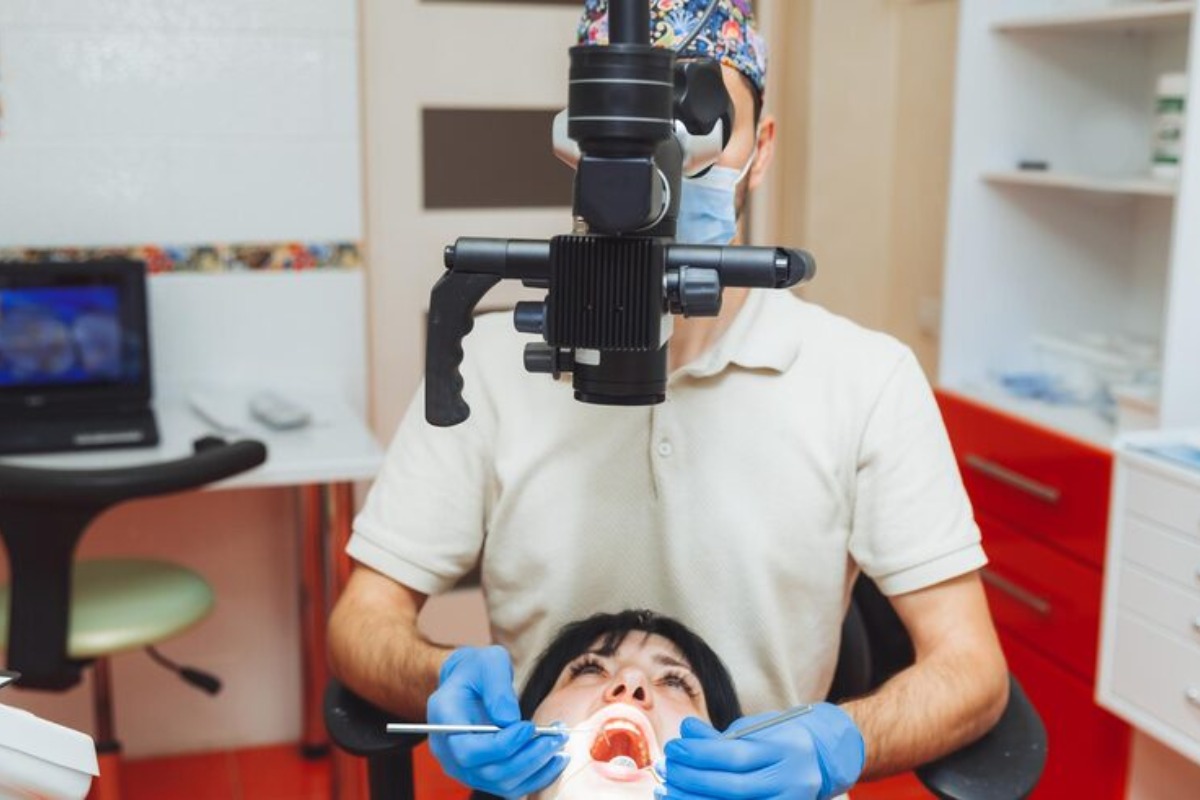
Do you know how often you should visit the dentist for a general checkup? Although a dental checkup for the patient is usually recommended every six months, no schedule fits all. The recommended dental checkup frequency would depend on your oral health, dental history, age, and risk of cavities or gum disease. When you visit your dentist regularly, your dental team can closely monitor changes in your mouth. They can also recommend a schedule that may suit your individual needs.
How Often Should Routine Dental Checkups Be Scheduled?
Routine dental checkups are often recommended twice a year for patients with good oral health. However, some patients may need visits more often, while others may be advised to follow a different schedule.
A dental professional may suggest more frequent appointments when there is:
- A history of frequent cavities
- Gum disease or ongoing gum inflammation
- Higher risk of tooth decay
- Certain medical conditions or medications
- Difficulty maintaining good oral hygiene
- Recent dental treatment that needs monitoring
The goal is to choose a schedule based on individual needs rather than following the same timeline for every patient.
Why are Regular Dental Visits Important?
Regular visits at a dental office near you allow dental concerns to be checked before they become more difficult to manage. A dental appointment may include an examination of the teeth and gums, a professional cleaning, and guidance on daily oral care.
A bone grafting near you service is different from a routine checkup and is generally associated with preparing or rebuilding bone for certain dental treatments, such as dental implants. It is not a standard part of every dental visit.
What Happens During a Routine Checkup?
A typical visit may include, although the exact appointment will vary.
- Looking at teeth for any cavities or damage.
- Observing the gums to learn about any disease.
- Looking at existing fillings, crowns, or other dental work
- Checking for tooth wear or cracks
- Reviewing oral hygiene habits
- Taking dental X-rays when needed
- Cleaning away plaque and hardened buildup when appropriate
The visit may also be a chance to discuss concerns such as tooth sensitivity, bleeding gums, bad breath, or changes noticed since the previous appointment.
Does Everyone Need a Checkup Every Six Months?
No. Six months is a common schedule, but it is not a strict rule for every patient.
Someone with a low risk of dental problems may be able to follow a less frequent schedule based on professional advice. On the other hand, a patient with active gum disease, repeated cavities, or other concerns may benefit from more frequent monitoring.
A dental office in Cumming can help determine an appointment schedule based on current oral health and previous dental history.
When Should You Visit the Dentist More Often?
Certain situations may call for closer monitoring. More frequent visits may be recommended when oral health needs extra attention.
Examples include:
- Frequent cavities
- Active gum disease
- A history of dental infections
- Recent dental surgery or treatment
- Dental restorations that need monitoring
- Changes in oral health
- Difficulty controlling plaque buildup
The recommended schedule may also change over time. A patient who once needed frequent visits may require fewer appointments after oral health becomes more stable.
Do Children and Older Adults Need Different Schedules?
Age can play a role in dental care, but it does not decide how often you need a checkup.
Children may need regular visits to check growing teeth, learn good brushing habits, and find cavities early. Teenagers may need extra care as their teeth change, especially if they have braces or a higher risk of cavities.
Older adults may need closer attention to gum health, tooth wear, dry mouth, dentures, or existing dental restorations. The right schedule should reflect the needs of each individual.
What Happens If You Skip Dental Checkups?
Skipping appointments does not always lead to an immediate problem, but it can make it easier for certain dental concerns to go unnoticed.
Some issues may develop without causing pain in the early stages. A patient may not notice a small cavity, early gum disease, or changes around an existing restoration.
Regular dental care provides an opportunity to identify these concerns and decide whether treatment or monitoring is needed.
Wondering If Your Dental Care Routine Is Right for You?
Not quite sure when to book your next visit to the dentist? Or how frequently you should see one? Book an appointment with Pinewood Dentistry and Implants today to review your current dental care routine, discuss your oral health needs, and learn how regular visits can help maintain healthy teeth and gums. We can help you determine your dental checkup schedule based on your needs, requirements, concerns, and overall oral health.
FAQs
Can I wait until I have tooth pain to see a dentist?
It is best not to wait for pain. Some dental problems have no early symptoms. Regular checkups can help find issues sooner.
Should I visit the dentist more often if I get cavities often?
Possibly. Frequent cavities may mean you need more regular visits. Your dentist can also suggest ways to lower your cavity risk.
Can dental checkups help prevent gum disease?
Yes. Regular exams can spot early signs of gum problems. Cleanings and good daily oral care can also help protect your gums.
What if I have not visited a dentist in several years?
Book an appointment as soon as you can. Your dentist can check your oral health and recommend any needed treatment or preventive care.
