sedation dentist near me

Obstructive Sleep Apnea (OSA) in
Sandy Springs & Cumming, GA

When Snoring Is Only Part of the Story

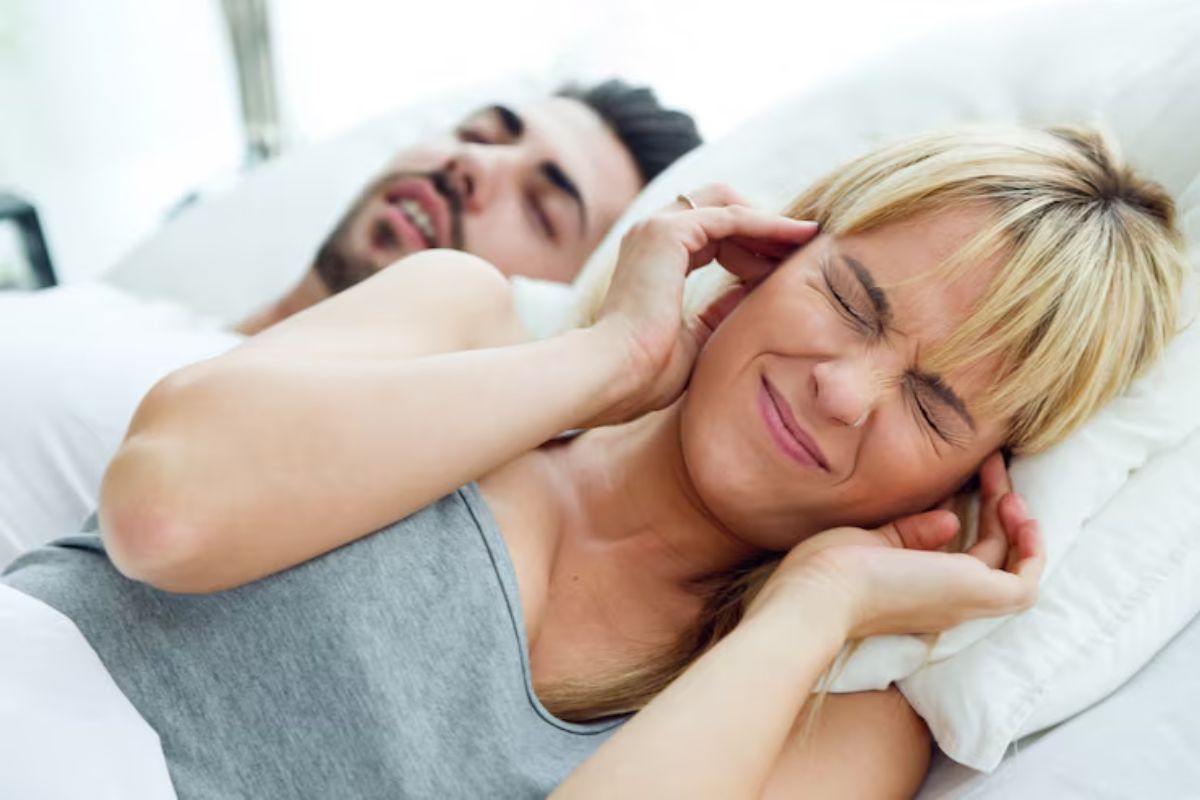
Obstructive sleep apnea can be easy to miss because much of it happens while you are unconscious. You may go to bed at a reasonable hour and still wake up exhausted. A partner may notice loud snoring, pauses in breathing, gasping, or repeated movement. You may wake with a dry mouth, headache, sore jaw, or the feeling that sleep never became truly restorative.

For some patients, the clues show up in the mouth as well. Heavy tooth wear, grinding, a narrow palate, limited tongue space, orthodontic relapse, or a lower jaw that sits relatively far back may raise questions about how the jaws and airway are working together. None of these findings proves that someone has sleep apnea, but they can be important pieces of the larger picture.

At Pinewood Dentistry and Implants, we evaluate and help coordinate care for obstructive sleep apnea (OSA) in Sandy Springs & Cumming, GA, by looking at symptoms, dental history, the bite, jaw relationships, tongue space, airway-related anatomy, and previous sleep testing when available. A dental examination is not a substitute for a medical sleep diagnosis.

When researching obstructive sleep apnea (OSA) near you, the most useful first step is not choosing between CPAP and an oral appliance. It is understanding whether OSA is actually present, how severe it is, what may be contributing to the obstruction, and which treatment or combination of treatments makes sense for the individual patient.

What Is Obstructive Sleep Apnea?

Obstructive sleep apnea is a sleep-related breathing disorder in which the upper airway repeatedly becomes partially or completely blocked during sleep.

When you are awake, muscles around the tongue and throat help maintain airway tone. During sleep, those muscles naturally relax. In a person whose airway is already vulnerable because of anatomy, soft-tissue volume, jaw position, nasal resistance, body weight, or other factors, that normal relaxation can allow the airway to narrow enough to reduce airflow or collapse.

A partial reduction in breathing is commonly called a hypopnea. A complete or near-complete pause in airflow is an apnea. When these events occur, oxygen levels may fall and the brain may briefly increase arousal so muscle tone returns and breathing resumes. The patient may snort, gasp, change position, or reopen the airway without ever becoming fully aware of waking.

If that pattern repeats many times through the night, sleep becomes fragmented. The body may spend less time in stable, restorative sleep even when the person believes they were asleep for seven or eight hours.

OSA is different from central sleep apnea. With obstructive apnea, the body is trying to breathe but airflow is blocked. With central apnea, the problem involves the brain’s respiratory drive. Central sleep apnea requires medical evaluation and is not treated with a mandibular advancement dental appliance.

Why Does the Airway Collapse During Sleep?
There is rarely one explanation that applies to every patient. OSA is usually multifactorial.
Factors that may contribute include:

  • Jaw and Facial Anatomy: A relatively retruded lower jaw, limited tongue space, or other craniofacial relationships can reduce the room available around the upper airway.
  • Soft Tissues: The tongue, soft palate, throat tissues, tonsils, and surrounding structures can affect airway size and collapsibility.
  • Nasal Obstruction: A deviated septum, turbinate enlargement, allergies, nasal valve problems, or chronic congestion may make nasal breathing more difficult.
  • Body Weight and Fat Distribution: Additional soft tissue around the neck and airway can increase collapsibility in some patients.
  • Sleep Position: Some patients experience more obstruction when sleeping on their back.
  • Alcohol, Sedatives, and Certain Medications: These can further reduce muscle tone and worsen airway collapse in susceptible individuals.
  • Age and Muscle Tone: Airway stability can change over time.
  • Upper-Jaw Width and Oral Volume: A narrow maxilla can limit transverse space within the mouth and may be one structural factor in selected patients.

This is why a single dental X-ray, a narrow palate, or snoring alone cannot explain the entire disorder.

What Are the Signs of Obstructive Sleep Apnea?

The classic signs are loud snoring and witnessed pauses in breathing, but OSA does not look the same in everyone.

Nighttime symptoms may include:

  • Loud or disruptive snoring
  • Witnessed pauses in breathing
  • Gasping, choking, or snorting during sleep
  • Restless sleep
  • Repeated waking
  • Mouth breathing or waking with a dry mouth
  • Nighttime urination
  • Grinding or clenching

Daytime clues may include morning headaches, excessive sleepiness, poor concentration, irritability, low energy, memory difficulties, or feeling unrefreshed despite getting enough sleep.

Some patients mainly report insomnia or fragmented sleep rather than obvious sleepiness. Others have few symptoms even though objective testing shows clinically important OSA.

Symptoms are useful for identifying risk. They do not determine the diagnosis or severity.

service obstructive sleep apnea

Why Treating OSA Matters Beyond Snoring

Snoring can be disruptive, but the medical importance of OSA comes from repeated airway obstruction, oxygen changes, and sleep fragmentation.

Untreated OSA is associated with health risks that include hypertension, cardiovascular disease, stroke, metabolic disease, atrial fibrillation, and impaired daytime alertness. Excessive sleepiness can also increase accident risk.

Not every patient with OSA will develop these problems, and treating OSA does not automatically resolve every fatigue or cardiovascular concern. The condition still deserves to be taken seriously as more than a snoring problem.

How Is Obstructive Sleep Apnea Diagnosed?

Pinewood can screen for OSA risk, examine dental and craniofacial factors, and help patients navigate appropriate testing. A medical diagnosis, however, requires objective sleep evaluation.

We ask what is happening at night and during the day. Bed-partner observations can be especially valuable because breathing pauses often occur without the patient realizing it.

We also review medical history, medications, previous sleep studies, CPAP experience, oral appliances, ENT treatment, orthodontic treatment, jaw surgery, and changes in weight or health that may affect sleep.

A dental airway examination may include the teeth, bite, palate, tongue space, jaw position, tooth wear, gum recession, TMJ or muscle symptoms, and signs of clenching or grinding.

These findings help us understand whether dental or skeletal anatomy may be relevant. They cannot tell us how many obstructive events occur during sleep.

Depending on the treatment being considered, photographs, digital scans, X-rays, or 3D imaging may add useful information.

Digital scans are particularly helpful when planning a custom oral appliance. Three-dimensional imaging may be relevant when a patient is also being evaluated for skeletal expansion, MARPE, or another jaw-related treatment.

Imaging does not replace a sleep study. It shows anatomy; sleep testing measures what happens physiologically during sleep.

Many adults can be evaluated with a physician-directed home sleep apnea test when their history and health make that type of testing appropriate. Others need an in-lab polysomnogram, which records more physiologic information and can help identify OSA as well as other sleep disorders.

Sleep testing may report an apnea-hypopnea index, or AHI, or a respiratory event index, depending on the test. These values help describe how often breathing events occur, but the number is only one part of treatment planning. Oxygen levels, symptoms, medical conditions, sleep stage, body position, and the overall clinical picture also matter.

Once OSA has been diagnosed and the severity and contributing factors are better understood, the treatment discussion becomes much more useful.

Some patients need CPAP. Some are candidates for oral appliance therapy. Some need ENT or medical treatment, weight-related care, positional strategies, orthodontic or skeletal treatment, jaw surgery, or a combination of approaches.

The diagnosis should drive the treatment—not the appliance someone happens to offer.

What Treatments Are Available for OSA?

There is no single best treatment for every patient.

Treatment How It Works Where It May Fit
CPAP/PAP Therapy Uses pressurized air through a mask to prevent upper-airway collapse Often the most effective option for controlling obstructive events, particularly when dependable physiologic control is needed
Custom Oral Appliance Therapy Holds the lower jaw in a controlled forward position to reduce airway collapse Selected adults with diagnosed OSA who prefer an alternative to CPAP or cannot tolerate it
ENT or Medical Treatment Addresses nasal obstruction, tonsils, allergies, or other medical contributors When upper-airway disease or another medical factor contributes to the problem
Weight and Lifestyle Management Addresses modifiable contributors such as weight, alcohol use, and sleep position Often used alongside another OSA treatment
Orthodontic Expansion or MARPE Addresses a genuinely narrow upper jaw and transverse skeletal deficiency Selected patients when maxillary width is part of the structural problem
Jaw Surgery Repositions skeletal structures and can enlarge parts of the upper airway Selected patients with significant craniofacial deficiency or OSA requiring surgical management

For many Pinewood patients, the most relevant dental option is custom oral appliance therapy. For others, the bigger issue is skeletal width, jaw position, or a combination of structural factors.

How Does Oral Appliance Therapy Work?

A mandibular advancement oral appliance fits over the upper and lower teeth and supports the lower jaw in a measured forward position during sleep.

Moving the lower jaw forward also influences the tongue and surrounding soft tissues. In an appropriately selected patient, this can increase the space behind the tongue and reduce the tendency of the upper airway to collapse.

A therapeutic appliance is not simply a mouthguard and should not be treated like an over-the-counter snoring device. It needs to fit the teeth accurately, accommodate the bite and jaw joints, and allow controlled adjustment of the mandibular position.

The goal is not to push the jaw as far forward as possible. It is to find a position that is both tolerable and therapeutically effective.

Pinewood’s Oral Appliance Process: From Diagnosis to Long-Term Follow-Up

Oral appliance therapy works best as a managed treatment process rather than a one-time device delivery.

If you arrive with a recent sleep study and diagnosis, we review that information as part of treatment planning.

If you have symptoms but have never been tested, Pinewood can begin with an airway consultation and help determine what type of medical sleep evaluation should come next.

This step matters because an appliance for primary snoring and an appliance used to manage diagnosed OSA may look similar, but the medical purpose and follow-up are not the same.

We evaluate the teeth, gums, restorations, bite, jaw movement, TMJ and muscle health, and how comfortably the lower jaw can move forward.

A patient with uncontrolled dental disease, unstable teeth, significant periodontal problems, or certain jaw-joint concerns may need those issues addressed before an appliance is appropriate.

We also consider whether the patient’s anatomy suggests that another treatment deserves attention. A significantly narrow upper jaw, for example, may lead to a broader discussion rather than assuming mandibular advancement alone addresses the entire structural problem.

Digital scans capture the shape and position of the teeth without relying on a generic one-size-fits-all device.

The appliance is designed around the patient’s bite and treatment goals. For OSA, a custom, titratable appliance allows the lower-jaw position to be adjusted progressively.

At delivery, we verify fit, retention, comfort, and how the upper and lower components relate.
We show you how to insert and remove the device, clean it, store it, and use any morning bite-positioning instructions that are appropriate.

The initial jaw position is usually only a starting point. More advancement is not automatically better.

Over subsequent visits, the appliance can be advanced gradually based on symptoms, comfort, jaw response, and the treatment plan.

Some patients notice reduced snoring or improved sleep early; others need further adjustment. Symptoms alone cannot prove that OSA is adequately controlled.

Once the appliance has been calibrated, follow-up sleep testing may be recommended with the device in place.

This is a critical step. A patient can feel better while still having residual obstructive events. Objective testing helps determine whether treatment has achieved an acceptable physiologic response or whether further adjustment or another therapy should be considered.

Oral appliance therapy can cause side effects. Early effects may include tooth tenderness, jaw or muscle soreness, increased salivation, dry mouth, or a temporary feeling that the bite is different in the morning.

Long-term use can also lead to tooth movement or changes in the bite in some patients.
Periodic visits allow us to check the appliance, teeth, gums, bite, jaw joints, comfort, and treatment adherence. OSA itself can also change with weight, age, health conditions, and anatomy, so long-term follow-up with the appropriate medical provider remains important.

Who Is a Good Candidate for an Oral Appliance?

A custom oral appliance may be considered for adults with diagnosed OSA who cannot tolerate CPAP or who prefer an alternative after discussing the available options with their medical sleep provider.

It may also be used for appropriately diagnosed primary snoring when OSA has been excluded.

Candidacy is individual. We consider:

  • The sleep diagnosis and severity
  • Dental and periodontal health
  • Number and stability of teeth
  • Existing restorations
  • Bite relationship
  • TMJ and muscle health
  • Ability to move the lower jaw forward comfortably
  • Previous CPAP or appliance experience
  • Patient preference and ability to use treatment consistently

An oral appliance is not automatically the best option for every patient with OSA. Severe disease, major oxygen desaturation, significant medical comorbidities, unfavorable dental conditions, or complex anatomy may make another treatment or combination of treatments more appropriate.

CPAP or an Oral Appliance: Which One Should You Choose?

This question is often framed as a competition, but it should not be.

CPAP generally controls obstructive breathing events and oxygen abnormalities more consistently than oral appliance therapy when it is worn as prescribed. For many patients, especially those with more severe disease or significant medical risk, that effectiveness matters.

The challenge is that CPAP only works when it is used. Some patients struggle with mask fit, pressure, dryness, noise, travel, or simply sleeping comfortably with the equipment.

A custom oral appliance is quiet, compact, and easier to travel with. For an appropriately selected adult who cannot tolerate CPAP or prefers an alternative, it can be an evidence-based treatment option.

Some patients use combination therapy. Others return to CPAP if an appliance does not control the disorder adequately.

The best treatment is the one that is medically appropriate, objectively effective, and realistic enough for the patient to use consistently.

Where Do MARPE, Orthodontics, and Jaw Treatment Fit?

Pinewood’s airway approach does not stop at oral appliance therapy because not every OSA patient has the same structural problem.

Some patients have a narrow upper jaw, limited tongue space, crossbite, significant crowding, orthodontic relapse, or a jaw relationship that deserves separate evaluation.

For selected older teens and adults with true transverse maxillary deficiency, MARPE can create skeletal width using temporary anchorage devices in the palate. Invisalign or comprehensive orthodontic treatment is then used to guide the teeth and bite into the new foundation.

MARPE is not a universal OSA treatment and should not be presented as a guaranteed cure. It addresses upper-jaw width. A patient can have both a narrow maxilla and OSA while still having other contributors to airway collapse.

Some adults with substantial front-to-back skeletal deficiency may also need evaluation for orthognathic or airway surgery. Procedures such as maxillomandibular advancement can be powerful OSA treatments in selected patients, but they belong in a surgical treatment pathway rather than being replaced by dental appliances when surgery is actually indicated.

The important point is that oral appliance therapy, expansion, orthodontics, CPAP, ENT treatment, and surgery solve different problems.

What Makes Pinewood’s Approach to OSA Different?

Pinewood Dentistry and Implants looks at sleep and airway concerns as part of a larger system rather than reducing OSA to snoring or handing every patient the same device.

Dr. Lincoln Fantaski has a particular clinical focus on airway-centered dentistry, MARPE adult palatal expansion, complex treatment planning, implant surgery, and the relationships among the bite, jaw structure, tongue space, and long-term function.

At Pinewood, an OSA conversation can include much more than whether you qualify for an oral appliance.

We may need to ask:

  • Has OSA been objectively diagnosed?
  • How severe is it?
  • Is CPAP working, or has it been difficult to use?
  • Can the teeth and gums safely support an appliance?
  • Does the lower jaw respond comfortably to advancement?
  • Is a narrow upper jaw part of the structural picture?
  • Are there signs of significant orthodontic or skeletal deficiency?
  • Does nasal obstruction warrant ENT evaluation?
  • Would myofunctional therapy add value?
  • Does the patient need surgical consultation rather than another dental workaround?

Not every patient needs this entire pathway. The point is to avoid forcing every airway problem into the same solution.

Start With the Diagnosis, Then Build the Treatment Around You

You do not need to know whether you need CPAP, an oral appliance, MARPE, orthodontic treatment, or another form of care before scheduling an airway consultation.

You also do not need to arrive with a previous sleep study just to begin the conversation.

If you snore heavily, wake exhausted, have witnessed breathing pauses, struggle to tolerate CPAP, grind your teeth, or have been told that your jaw structure may be contributing to your sleep concerns, Pinewood can help organize the next steps.

For patients researching obstructive sleep apnea (OSA) near you, our goal is to separate symptoms from diagnosis and diagnosis from treatment. When oral appliance therapy is appropriate, we manage it as an ongoing medical-dental treatment with fitting, calibration, follow-up, and objective confirmation—not simply as a device to reduce snoring.

Schedule a complimentary airway consultation at Pinewood Dentistry and Implants in Cumming or Sandy Springs. We will help you understand what we see, what still needs to be tested, and which treatment path makes sense for your anatomy, diagnosis, and health.

Have Questions About Obstructive Sleep Apnea?
Start Here.

We can screen for OSA risk, review symptoms, identify dental and craniofacial findings that may be relevant, and help coordinate the next step. A dental examination alone cannot diagnose OSA or determine its severity. Objective sleep testing and appropriate medical interpretation are needed when OSA is suspected.

CPAP generally reduces obstructive breathing events and oxygen abnormalities more consistently. A custom oral appliance can still be an effective alternative for appropriately selected adults, particularly when CPAP is not tolerated or the patient prefers another treatment. Follow-up sleep testing helps determine whether the appliance is controlling the disorder adequately.

Some patients develop gradual tooth movement or bite changes with long-term oral appliance use. Others experience little noticeable change. This is one reason periodic dental follow-up matters. We monitor the teeth, bite, appliance fit, jaw joints, and symptoms over time and address changes when they appear.

You can begin an airway consultation without a previous sleep study. If OSA is suspected, however, objective sleep testing is important before treating the condition as diagnosed sleep apnea. The results help establish what is happening during sleep and influence which treatment is medically appropriate.

Not automatically. MARPE addresses a true transverse deficiency of the upper jaw. It may change oral and nasal dimensions and can be an important structural treatment for selected patients, but OSA is multifactorial. A narrow maxilla can be one contributor without being the only cause. Objective follow-up remains important if a patient with diagnosed OSA undergoes expansion.

That is exactly why follow-up testing matters. A quieter night does not necessarily mean that obstructive events have been fully controlled. If testing shows residual OSA, the appliance may need further calibration, or another treatment such as CPAP, combination therapy, ENT care, weight-related treatment, or a different airway strategy may need to be considered.