
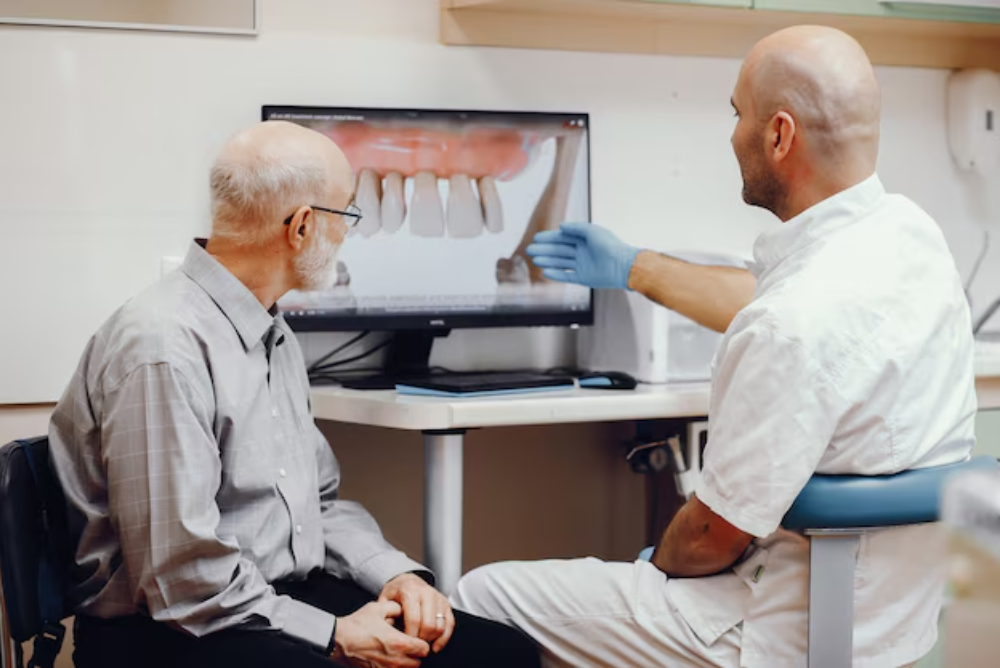
When it comes to restoration of a conducive and functional smile, bone grafts near me have become a viable treatment choice. Bone grafting can reconstruct important structures lost from tooth loss, gum disease, or trauma. Your dentist would prepare a stable foundation for dental implants and other tooth restorations. People often want a bone graft in Cumming to strengthen their oral health and smile confidently again.
Bone grafts help the growth or strengthening (rebuilding) of the region in the jawbone that has lost quality. If the bone density is not sufficient, no implant procedures will be possible. As a result, many patients visit a dentist near you to ensure their smile remains functional, supported, and beautiful.
After tooth loss or infection, the jawbone begins to shrink, affecting the appearance of your face and your bite can get weak. This is when a trusted dental office Cumming becomes necessary for your oral health and confidence over time.
Understanding Why Bone Grafting Is Needed
When a tooth is lost, the jawbone naturally gets absorbed because it does not get any stimulation. Over time, this leads to reduced bone height and density. Bone grafting aids in restoring the lost bone volume surrounding the teeth, so they do not become unstable over time.
After this stage, many patients start seeking out experienced care, such as at a dentist Cumming, to assess how appropriate bone grafting is to their particular circumstance.
There are a few reasons why a bone graft might be recommended.
- Preparing the jaw for dental implants.
- Treating bone loss caused by gum disease
- Repairing bone defects
- Maintaining facial structure after tooth removal
- Preventing shifting of remaining teeth
If you deal with bone loss early on, then your oral function in the long run will not be affected.
Types of Bone Grafts Available
You can get different grafting materials in a dental office near you. The choice of each is dependent on how strong and healthy your teeth are overall.
1. Autograft (Your Own Bone)
A piece of bone is taken from the chin or jaw and put where it is weak. This variety has great compatibility and very good healing.
2. Allograft (Donor Bone)
A safe, processed human donor bone is used. Many dental patients have this option as a common method.
3. Xenograft (Animal Bone)
This option is generally used in dental reconstructive procedures and comes from bovine bone.
4. Synthetic Grafts
Human-made substances that encourage the development of Bones naturally.
Your dentist will choose the best method based on your treatment goals and the health of your jawbone.
What to Expect During the Procedure
Bone grafting is a minor surgical procedure that uses local anesthesia or sedation. The dentist puts grafting material and secures it in the weakened area. Your own bone melds with the graft over the next several months to create a stronger, healthier foundation.
After your surgery, you may experience some mild swelling or tenderness for a few days. These issues are easily managed with the post-operative care instructions given to you by your dental team.
Long-Term Benefits of Bone Grafting
Bone grafting has many long-term oral health benefits, including.
- Stronger support for dental implants
- Improved stability of surrounding teeth
- Prevention of facial sagging caused by bone loss
- Healthier bite alignment
- Enhanced overall oral function
The treatment won’t just restore your smile, but your oral health will also stay intact for years to come.
Conclusion
Ready to rebuild your smile with confidence? Make your consultation today with Pinewood Dentistry and Implants for kind and expert treatment.