
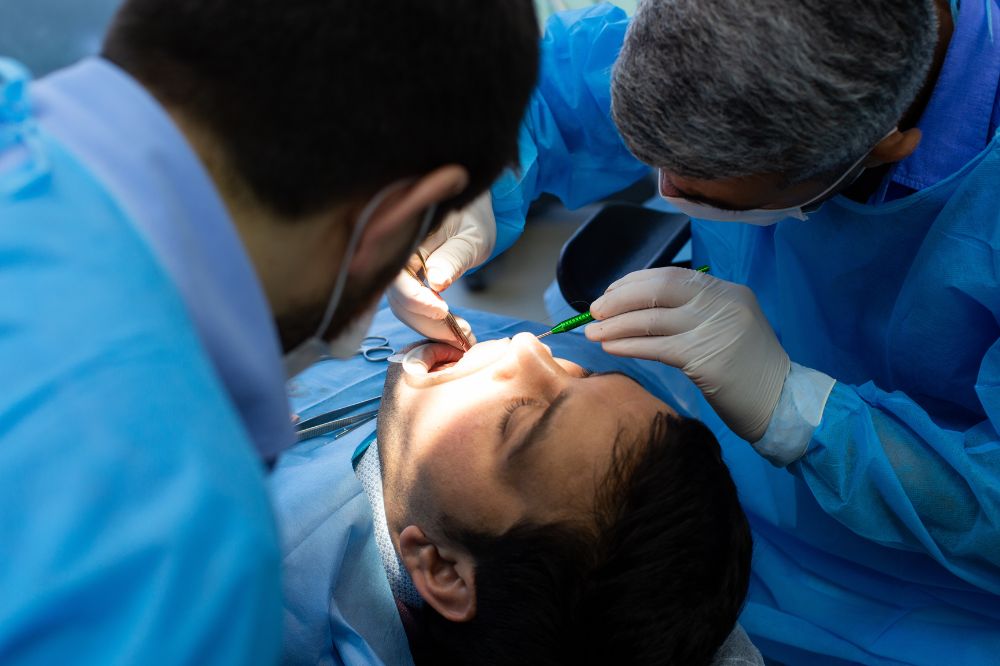
Many people feel a bit nervous when they hear the word “surgery,” but these procedures are often the best way to stop pain and save your smile. Knowing when a simple filling isn’t enough is the first step toward feeling better. Sometimes the signs are obvious, like a sharp pain that won’t stop, while other times they are quiet, like a dull ache in your jaw. Ignoring these red flags can lead to bigger infections or damage to your other teeth. By listening to what your mouth is telling you, you can take action before a small problem becomes a big emergency.
Knowing When You Need Extra Help
It can be hard to tell if a toothache is just a small annoyance or a sign of a deeper issue. However, some symptoms almost always need a more advanced approach. If you see swelling around your jaw, constant bleeding, or a tooth that feels loose for no reason, your body is saying something is wrong deep under the gums. When these issues pop up, getting oral surgery in Cumming & Sandy Springs ensures you are seen by experts with the right tools to fix the problem at the root. Taking care of these things early usually means a much faster recovery and less pain later on.
Fixing Teeth That Are Stuck
A common reason people need surgery is that a tooth cannot grow through the gums the right way. This happens a lot with wisdom teeth. Getting oral surgery for impacted teeth is necessary because a trapped tooth can push against its neighbors, making them move or even crack.
- Crowding: Stuck teeth can ruin a straight smile by pushing other teeth out of line.
- Cysts: Little sacs of fluid can form around trapped teeth and hurt the jawbone.
- Infection: Food and germs get stuck near a tooth that is only halfway out, causing painful swelling.
- Root Damage: The pressure from a stuck tooth can actually wear away the roots of nearby healthy teeth.
What Happens During the Procedure?
Many patients worry about how hard the surgery will be, but most modern procedures are very routine. There are several types of oral surgery procedures that a dental team might suggest depending on what you need. These can range from taking out a broken tooth to more advanced work like putting in dental implants or adding bone to make the jaw stronger. Each one is designed to fix your mouth so you can eat and smile without any trouble. The goal is always to be as gentle as possible while making sure the problem is totally gone.
Finding Great Care Near Home
When you are in pain, the last thing you want is a long drive. Finding a trusted dentist in Cumming lets you get help close to home, which is great for quick check-ups after surgery. A local clinic knows the community and provides a place where you feel safe and comfortable. During your first visit, the team will use X-rays to see exactly what is happening under your gums. This clear picture helps them make a personal plan that stops their pain fast.
How Much Time Will It Take?
A very common question for anyone having a procedure is:
how long does oral surgery take?
While every person is different, many normal surgeries, like taking out one tooth or putting in an implant, only take about 30 to 90 minutes.
More difficult cases may take longer.
| Procedure Type | How Long It Takes | Recovery Time |
| Pulling a Tooth | 20–40 Minutes | Very Fast |
| Wisdom Teeth | 45–90 Minutes | 3–5 Days |
| Dental Implant | 60–90 Minutes | Moderate |
| Adding Bone | 45–75 Minutes | Varies |
Keeping Your Jawbone Strong
Sometimes surgery isn’t about taking something out, but rather adding what is missing. If you have been missing a tooth for a long time, the jawbone in that spot can start to shrink. In these cases, a dentist might suggest a bone graft to get your mouth ready for a permanent replacement like an implant.Keeping the bone strong is important because it holds up your face shape and stops that “sunken” look. Strengthening the foundation of your smile is just as important as the teeth themselves.
Why You Shouldn’t Wait for Care
Waiting too long is the biggest enemy of a healthy mouth. A small infection in a tooth can quickly spread to your jaw or even other parts of your body if it is left alone. Surgery might seem like a big step, but it is often the best way to get your health back on track. Modern numbing and sleep options mean you don’t have to be afraid of the chair. By choosing to fix the problem now, you are choosing a future without constant pain or the risk of losing more teeth.
A Simple Path to a Healthy Smile
Deciding to have surgery is a smart way to protect your health for the future. You don’t have to live with the worry of a bad tooth or the ache of a hidden infection. Our team is here to help you through every step with kindness and care.We focus on getting you back to feeling your best as quickly and safely as possible. Your comfort and your results are what matter most to us .At Pinewood Dentistry and Implants, we are ready to help you fix your dental health so you can smile with confidence again.Are you dealing with jaw pain or swelling that won’t go away? Contact Pinewood Dentistry and Implants today to book a visit and get the expert care you need!
Frequently Asked Questions
Will I be awake during the surgery?
Most clinics offer different ways to help you relax, from “laughing gas” to options that let you sleep through the whole thing.
How soon can I go back to work or school?
For simple tooth pulls, many people go back the next day, but wisdom teeth might need two or three days of rest for the swelling to go down.
Does it hurt while they are working?
No, the area will be completely numbed so that you won’t feel pain, and with sedation, you might not even remember it happening.
What can I eat after surgery?
Stick to soft foods like yogurt, warm soup, and smoothies for the first few days so you don’t bother the spot where the work was done.